Is your AI learning biology or variability?
Why standardized proteomics data is the foundation for faster,
more confident drug-development decisions.
See how much you can gain with Evosep. Click here to get contacted by our specialists.
Explore AI-driven standardized LC–MS
When sample preparation and LC introduce variability across batches, studies, sites and time, models must separate technical noise from biological signal.
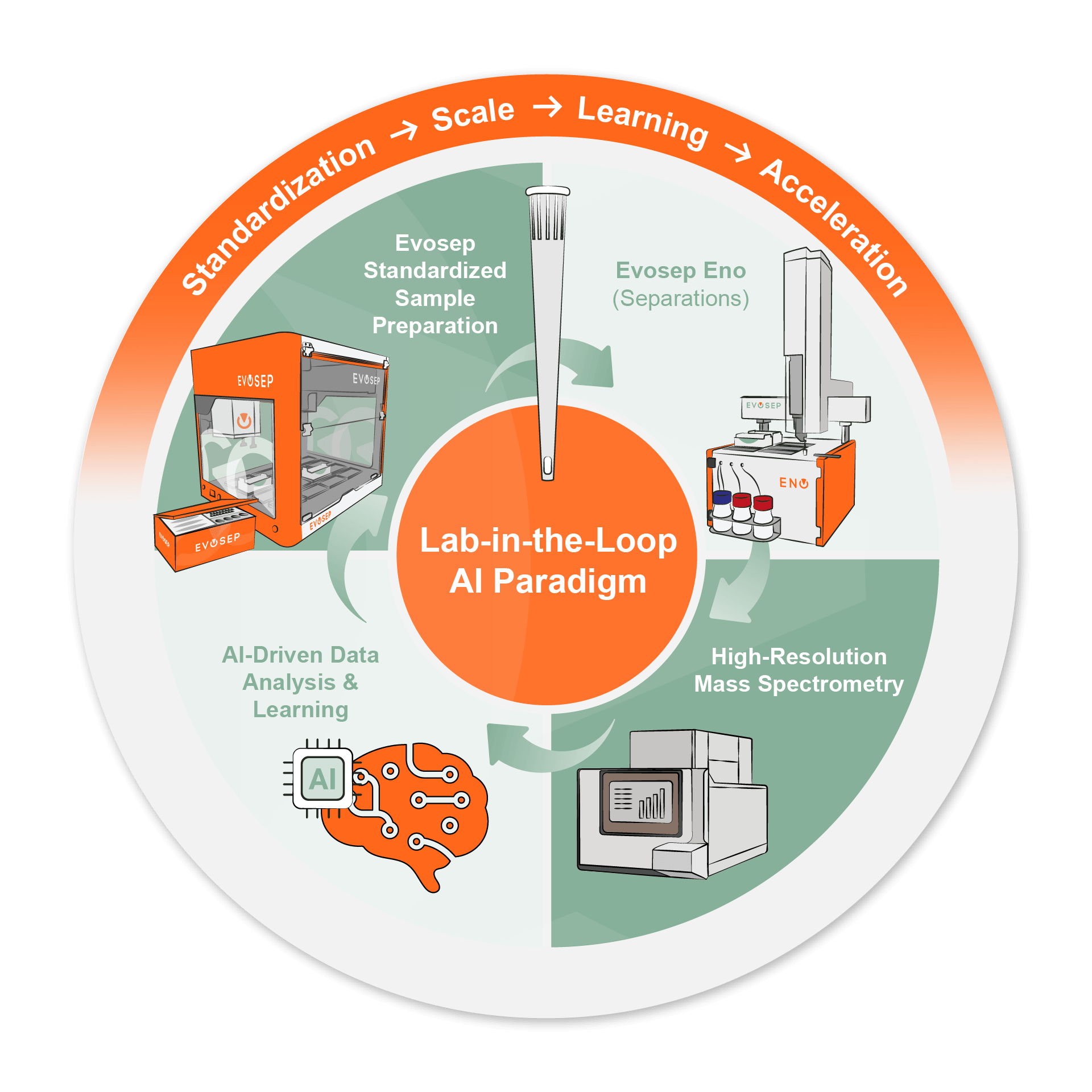
Evosep Proteomics standardizes the sample-to-separation workflow, creating scalable and reproducible LC–MS data that allows AI to focus on the biology behind targets, biomarkers, patient response and treatment decisions.
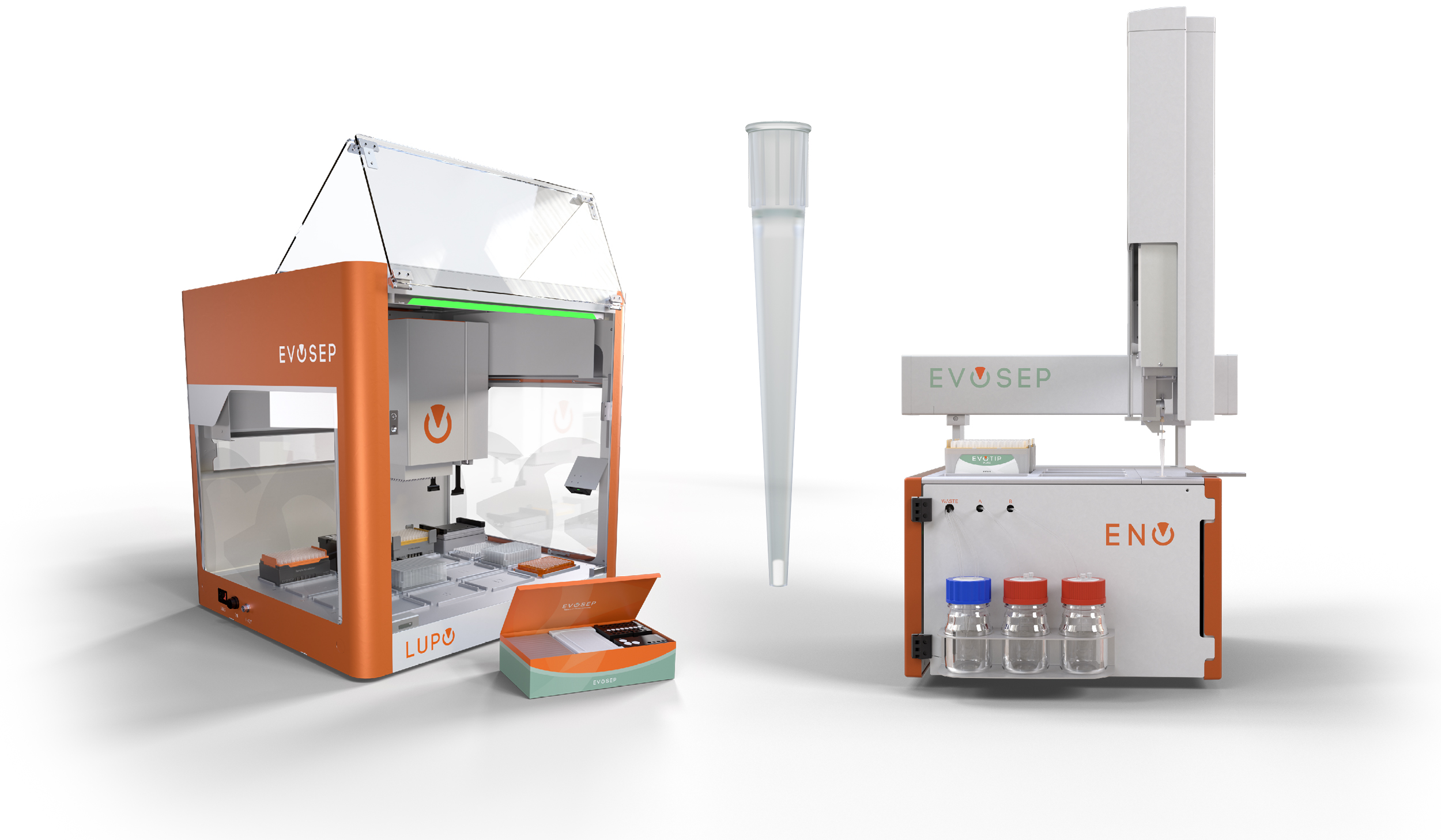
By bringing sample preparation, consumables, methods and LC separation into one ecosystem, Evosep helps control variability before it enters the mass spectrometer:
STANDARDIZE
Control variability from sample preparation through LC separation.
SCALE
Generate comparable measurements across cohorts, laboratories and time.
LEARN
Give AI structured, reproducible data that supports model generalisation and reuse.
DECIDE
Translate dynamic protein biology into more confident decisions across pharmaceutical R&D.
YOUR AI CAN ONLY LEARN FROM WHAT YOU MEASURE
More spectra and more sophisticated models do not automatically produce better drug-development decisions.
In proteomics, model performance begins upstream. Variability introduced during sample preparation and LC separation becomes part of the data a model learns from. As programmes expand across cohorts, laboratories and time, those differences can limit comparability, reuse and model generalisation.
The opportunity is not simply to produce more data. It is to create decision-grade proteomics data: standardized, scalable and reproducible measurements that can support learning across studies rather than within a single experiment.
TECHNICAL VARIABILITY HIDES BIOLOGY
The proteome provides a dynamic view of what is happening in a biological system. But the value of that view depends on whether measurements remain consistent enough to compare.
In this video, Nicolai Bache explains why standardization across the proteomics workflow is important for reducing variation and generating reproducible, well-organized datasets.
As data interpretation increasingly moves toward AI, the quality and consistency of the underlying data become even more important.
AI has arrived in MS proteomics
AI in mass spectrometry is moving beyond purpose-built prediction models. Foundation models trained on vast numbers of spectra are opening new possibilities for interpreting proteomics data, predicting peptide properties and extracting biological signals at scale.
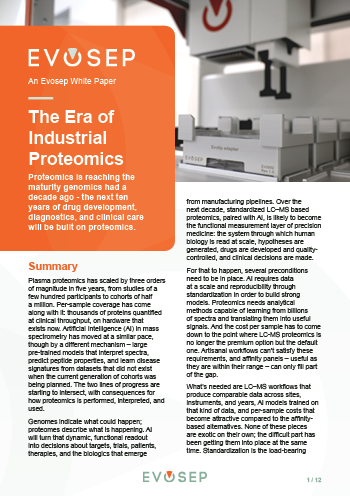
But more powerful AI raises the bar for the data behind it. The Era of Industrial Proteomics white paper explores why standardized, comparable LC–MS data is becoming critical infrastructure for the next generation of AI-driven proteomics, and what that could mean for drug discovery, precision medicine and clinical translation.
BUILD DATA THAT CAN TRAVEL
As proteomics programmes grow, the measurement process must remain stable across operators, batches, instruments, laboratories and time points. Standardisation transforms the upstream workflow from a changing experimental variable into a consistent part of the data infrastructure.
Create a stronger foundation for:

Cross-study comparability
Build datasets that can be analysed together rather than treated as isolated experiments.
Model generalisation
Reduce the risk that models learn workflow-specific patterns that do not transfer to new cohorts or sites.

Longitudinal confidence
Follow biological change over time with greater confidence that the signal reflects the sample rather than the workflow.
Dataset reuse
Generate structured, lower-variance data that can support new hypotheses, future models and lab-in-the-loop learning.
Explore the connection between measurement consistency, reliable AI models and early-stage biomarker discovery.
AI-DRIVEN EARLY CANCER DETECTION WITH DEEP PLASMA PROTEOMICS
Discover how deep plasma proteomics and AI-driven analysis can uncover disease-associated patterns at increasingly early stages, and why robust, scalable datasets are essential for translating those patterns into meaningful biological insight.
BETTER BIOLOGY IN. BETTER DECISIONS OUT.
Standardized proteomics data can strengthen the evidence available at critical decision points across drug discovery and development.
TARGET IDENTIFICATION
Reveal protein-level patterns that support target hypotheses and help connect molecular mechanisms with disease biology.
MECHANISM OF ACTION
Study dynamic biological responses and generate evidence that supports mechanistic understanding.
BIOMARKER DEVELOPMENT
Build reproducible datasets for biomarker discovery, validation and longitudinal monitoring.
PATIENT STRATIFICATION
Identify biological patterns that can help define patient subgroups and investigate differences in response.
TRANSLATIONAL CONFIDENCE
Improve comparability between studies, cohorts and sites as programmes advance towards clinical development.
DATA AND AI STRATEGY
Create a reusable proteomics foundation for cross-study analysis, model development and lab-in-the-loop learning.
MORE DATA. OR MORE COMPARABLE DATA?
Scale creates value when measurements can be combined and trusted across studies, sites and time. Talk to our team about building a more standardized, scalable proteomics workflow and creating a stronger data foundation for AI-driven research.

Real-life applications

On Demand Webinar
AI-DRIVEN EARLY CANCER DETECTION WITH DEEP PLASMA PROTEOMICS (2026)
Discover how deep plasma proteomics and AI-driven analysis can uncover disease-associated patterns at increasingly early stages, and why robust, scalable datasets are essential for translating those patterns into meaningful biological insight.

STUDY
Towards Faster Clinical Diagnostics with AI-driven LC-MS
What becomes possible when machine learning can work with fast, reproducible LC–MS data?
A recent study demonstrates how machine learning can analyse raw LC-MS signals to identify urinary pathogens directly, potentially reducing time to diagnosis. The work highlights how reproducible, high-throughput LC-MS workflows may help unlock the future of AI-enabled clinical diagnostics.
Evosep White Paper: The era of industrial proteomics
This Evosep white paper explores how high data reproducibility and falling per-sample costs are positioning mass spectrometry to outpace affinity platforms across drug discovery, clinical translation, and biopharma manufacturing.
Discover why standardisation, scalability and AI are converging to create a new functional measurement layer for drug development and precision medicine.
explore more
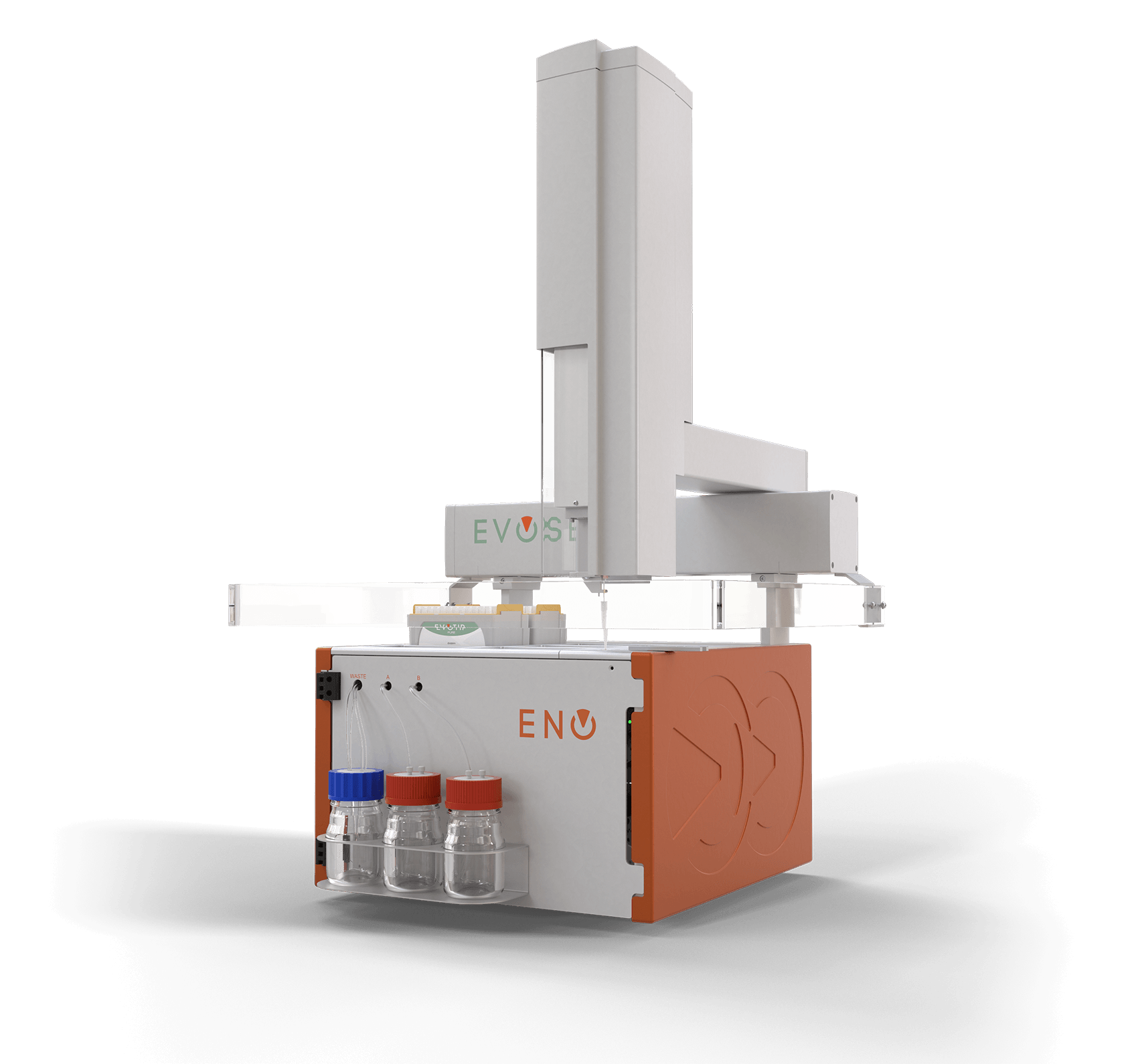
find all publications, product brochures and presentations with Evosep Eno





Want to know more?
Our team is ready to help you find the method fitting your research need. Fill out our contact form and we will get back to you as soon as possible