

Get an exclusive sneak peek of what’s coming to ASMS 2026
Meet Evosep at the orange corner
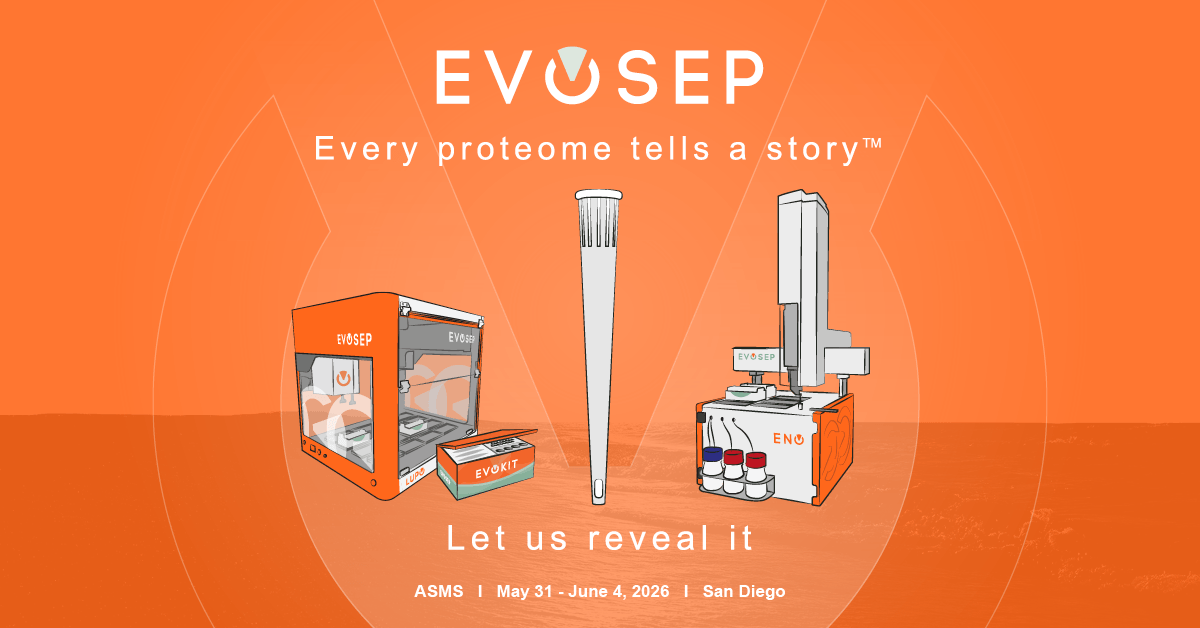
We are eagerly looking forward to this year’s ASMS, the biggest annual congregation of scientists working on mass spectrometry. This year the conference is held in San Diego and we cannot wait to meet you and share our latest projects with you.
You can find us throughout the week at booth #614, where we would be thrilled to connect with you and exchange information about your ongoing research. Furthermore, we will host a Breakfast Seminar, an Evosep User Meeting, and our Hospitality Suite, where we guarantee that this year’s special theme will exceed your expectations!
Upcoming events overview:
Get access to announcements, scientific insights, a look inside our company culture, upcoming events and much more!
Saturday, MaY 30, 2026 at 5.30 – 9:30 PM
Mission Brewing, 131 14th street, East Village, San Diego, CA 92101, United States
Evosep User meeting
We are thrilled to announce our Evosep user meeting during this year’s ASMS with informal hours of scientific discussions, networking and knowledge-sharing.
Secure your seat below and stay tuned for more announcements.
Monday – wednesday, 1-3 June, 2026 – 8.00 – 11.00 PM
Visit the Evosep Hospitality suite
Need a scientific break? We’ve established a secure zone where you can throttle back and recharge. Land safely and stop by the fueling station for a drink and enjoy this year’s theme with exclusive giveaways and fun activities. No wingman is left behind – everyone is cleared for entry.
Location: Marriott Marquis San Diego, Pacific Ballroom #17
Agenda
Standardizing High-throughput LC-MS based proteomics for actionable insights
Talk by Dorte Bekker-Jensen, VP Product and R&D at Evosep
Register for our activities at ASMS 2026
Abstracts
This year you can explore a lot of new research featuring Evosep at ASMS. Below you can find a complete list of all the submitted abstract. Use the search function to filter based on topic or day of presentation.
| Title |
|---|
| 500 SPD Plasma Proteomics Enabled by Proteonano HT Assay with Built-in Data Calibration & Standardization |
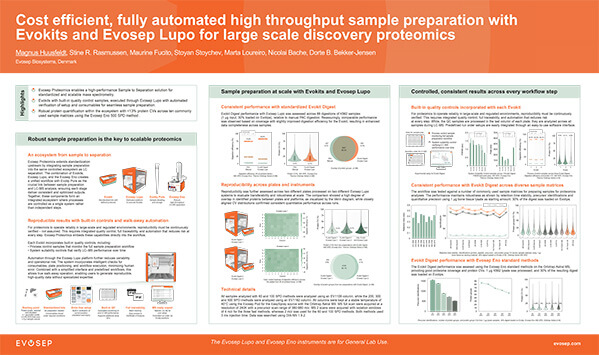
| A Cost-Efficient, Fully Automated High-Throughput Sample Preparation Platform Enabling Large-Scale Discovery Proteomics |
| A fully integrated Qual/Quan solution from a single injection using standardised sample preparation and chromatography with a benchtop MRT MS |
| A multiplexed PRM-based panel for potential use in patient selection and pharmacodynamic profiling for antibody-drug conjugate responses |
| A Robust and Versatile Affinity Enrichment MS Platform Enabling 500 Interactomes Per Day for Systematic Protein Interaction Mapping |
| A.M.P.L.I.F.Y.: Automated Multi-Omics Pipeline Leveraging Integrated Front-End Robotics and Yield-Driven Analytics |
| Absolute Quantitation of the Whole-brain Proteome in Preclinical Alzheimer’s Disease Mouse Models Utilizing the SysQuan Platform |
| Acquisition-to-Search Optimization for Sensitive MHC Peptide Analysis on the Astral Zoom |
| Affordable and Comprehensive Absolute Quantification of the Human Proteome in a Tissue-specific Manner with SysQuan |
| AlphaXtract: A Deep Learning Framework for Scalable Targeted Proteomics Enabling >3,000 Multiplexed Targets |
| An optimized method for fixed tissue-based proteomics analysis by mass spectrometry |
| An Optimized Workflow for the Proteomic Analysis of Exosomes |
| Application of High-Fidelity Protease KRysin for Analysis of Plasma Proteomes |
| Assessing Quantification Performance in Differential Expression Workflows for Parallel Accumulation Mobility-Aligned Fragmentation (PAMAF) Data Independent Acquisition |
| Assessing Targeted Versus Untargeted Proteomics for Chemoproteomics Workflows Using a Sciex ZenoTOF 8600 System |
| Assessment of strategies to detect small open reading frames (smORFs) in mouse plasma |
| Automating Benchtop Hydroxyl Radical Protein Footprinting to Probe Protein Surfaces, Ligands, and Complex interfaces in a High-Throughput Manner |
| Automation of Extracellular Vesicle Phosphoproteomics Pipeline via coupling magnetic- and membrane-based high throughput procedures |
| Balancing Throughput and Depth in HLA-I Immunopeptidomics Using Orbitrap Astral and Astral Zoom LC–MS Platforms |
| Beyond Plaques and Tangles: Spatial Proteomic Imaging of Brain Subanatomical Regions in Alzheimer’s Disease |
| Bioluminescence-powered photocatalysis enables a novel and highly specific proximity labeling platform |
| Comparative evaluation of DDM-mediated single-pot and SP3 workflows for low-input clinical FFPE proteomics |
| Comparison of Linear Ion Trap and Orbitrap instruments for a FAIMS-PRM amol-sensitivity targeted clinical proteomics assay |
| Current generation high-resolution mass spectrometry reveals inefficiencies of standard proteolytic processing in quantitative bottom-up proteomic experiments |
| DE-LIMP a sophisticated and functional AI integrated proteomics platform vibe coded in 1 week by 1 person |
| Deep MHC II Immunopeptidomics: Optimized Enrichment and DDA-PASEF Enable High-Confidence Detection from Minimal Input |
| Deep-Visual LC-MS Proteomics of Charcot-Leyden-like Crystallopathy in Fra2 Mice |
| Development and qualification of an ultra-sensitive SISCAPA-MS assay for UBE3A quantification in human CSF for Angelman Syndromeresearch |
| DIA-based chemoproteomics discovers covalent NONO inhibitors for metastatic castration-resistant prostate cancer |
| Direct On-Bead 18O Labeling with SP3 Sample Preparation (SP-18O) and DIA-MS Enables Robust Quantitative Proteomics |
| Direct quant of PTM’s in data through instrument data enrichment |
| Discovery and targeted validation of erythrocyte proteomic biomarkers of recombinant human erythropoietin (rhEPO) misuse and hypoxic exposure at high altitude |
| Dissecting kinase signalling networks at 500 phosphoproteomes per day |
| Dose-Dependent Inhibition of Protein Glycosylation Reveals Crosstalk Between Glycosylation and Phosphorylation in EGF Signaling Pathways |
| Enabling deep proteome coverage at ultra-high throughput using stepped‑quadrupole DIA on a novel MRT benchtop MS |
| Enhancing Quantitative Plasma Proteomics by Nano‑LC–MRM‑MS to Increase Throughput and Reduce Cost in Large Clinical Cohorts |
| Evaluating nanoparticle enrichment and isotope-enabled quantitation, for biomarker discovery in liver disease by untargeted and targeted LC-HRMS/MS |
| Evaluating Parallel-Accumulation Mobility-Aligned Fragmentation Mode for Phosphoproteomics |
| Evaluation of Astral DIA-MS methodology for global, high-throughput detection of alternative protein isoforms predicted with long-read RNA-sequencing |
| Exploiting the Similarity-vs-Difference in MS2 Ion Intensity Ratios Between Different MS Samples to Deconvolute Chimeric XICs for DIA-MS Data Sets |
| Exploring hepatocyte diversity with single cell proteomics |
| Exploring Toxin Pathogenesis of Human Hosts via Proteomic Analysis of Palytoxin-Exposed Multi-Organ-on-a-Chip Systems |
| FAIMS-PRM TIC-based total peptide quantification assay for post-acquisition PRM normalization |
| From 384-Wells to Actionable Insights in One Week: A High-Throughput Proteomics Pipeline Accelerating In Vitro Drug Safety Assessment |
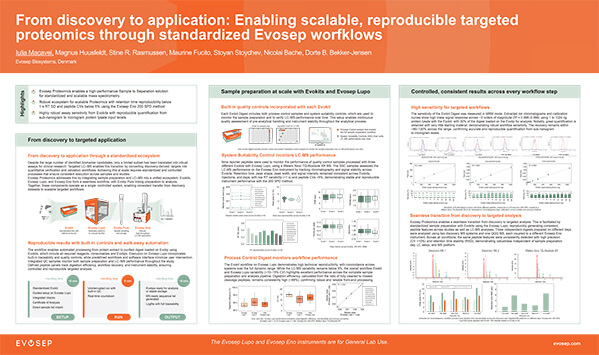
| From Discovery to Application: A Fully Automated and High‑Throughput Workflow for large‑Scale Targeted Plasma Proteomics |
| From Nodes to Networks: Drug‑Induced Interactomics and Mutant‑Scanning AP‑MS Accelerates Target and MOA Discovery |
| From Rare Cells to Deep Proteomes: An Optimized Proteomics Workflow for Deep Profiling of Flow-Sorted Immune Cell Populations |
| Fully-Automated Magnetic Bead based Approaches for Mass Spec Sample Preparation |
| Generation of an in-depth tissue-resolved proteomics atlas of the non-human primate Macaca fascicularis on the timsUltra-AIP. |
| Harnessing biological fractionation allows for deep proteome analysis to determine the role of HMG-CoA reductase in skeletal muscle physiology |
| High throughput targeted proteomic workflows with Adaptive Retention Time on the Orbitrap Astral Zoom |
| High-resolution MS/MS characterization of endogenous steroid fragmentation profiles for structural elucidation |
| High-Throughput and Sensitive Proteomics Workflow for Biomarker Discovery from 1-µL Murine Cerebrospinal Fluid Samples |
| High‑Depth Proteomics of Synovial Fluid Reveals Osteoarthritis Biomarkers |
| Identifying circulating biomarkers for amyloid conversion and early cognitive decline through unbiased proteomics in matched CSF and plasma |
| Impact of Narrow Q1 Isolation Windows on Identification Depth in ZT Scan DIA |
| Improved Mammalian Tissue Processing for Multi-Omic Mass Spectrometry |
| In <40 minutes from sample to result: PRM-based absolute quantitation after rapid thermolysin digestion, exemplified by rituximab in human plasma |
| In-depth characterization of the P2 Plasma Enrichment Workflow |
| Integrated Proteomic and Phosphoproteomic Profiling of Butyrate Driven Cellular Remodeling in Clear Cell Renal Cell Carcinoma |
| Integrated Spatial Multi‑Omics Mapping Identifies Inflammatory Dysregulation and Fibrotic Signaling in Pulmonary Fibrosis |
| Integrating Glass Fiber Frits into PTM Enrichment Tips for Robust Plant Phosphoproteome and N-Glycoproteome Profiling |
| Integrative regulome profiling of DNA damage responses to discover DNA repair-directed therapeutics in aging |
| Longitudinal whole-blood proteomics reveals persistent expression of ISG-15 following recovery from COVID-19 infection |
| Made for speed: high throughput proteomics with the Orbitrap Astral Zoom mass spectrometer and the Evosep Eno at 500 SPD |
| Mag-NetTM HP provides a simple and robust workflow for deeper plasma proteome profiling using hyper-porous magnetic bead technology |
| Mapping human brain development using single cell proteomics |
| Minimizing Protein and Peptide Absorption Loss in Single-Cell Proteomics Using a Chemically Inert Polymer |
| Monitoring Amyloid β1–42 Aggregation by Mass Spectrometry–Based Benzoyl Fluoride Footprinting |
| MS-based proteomic characterization of SOD1- G93A mouse model |
| Multi-omics of Hunter syndrome in a mouse model by LC-HRMS/MS |
| Nanotrap PEAK enrichment enables deep proteomic analysis of plasma from several species and synovial fluid |
| Optimization of Evosep Tip Loading Protocols to Enhance Hydrophilic Peptide Retention in MHC-Associated Peptide Proteomics (MAPPs) |
| Optimized FAIMS-DIA LC-MS/MS Workflow for Deep Proteomic Profiling of Aqueous Humor |
| Optimized RUV-III-C-based Workflow for Reliable Batch Effect Correction in Complex Proteomics Datasets |
| Overcoming Tradeoffs between Proteome Coverage and Target Quantification for PROTAC Analysis with Hybrid-DIA on the Orbitrap Astral |
| PeptDeepKontext: A Universal Model for Predicting Peptide Properties Across Instruments, Conditions, and Post-Translational Modifications Trained on a New Foundational Dataset |
| Peptide- and region-resolved absolute plasma proteomics defines a novel analytical dimension for pan-disease profiling |
| Performance assessment of absolute protein quantitation by LC/MRM-MS in 20 commercially available human plasma samples using novel SysQuan technology |
| Pharmacodynamic Biomarkers to Assess Dystrophin-Restoring Therapies in Duchenne Muscular Dystrophy |
| Phenotype-Driven Single-Cell Proteomics for Deciphering CAR-T Cell Heterogeneity |
| Protein corona based P2 enrichment beyond EDTA-Plasma : A Dedicated Enrichment Approach Enables Deeper Serum and Heparin-/citrate-plasma Proteomics |
| Proteomic Insights into Enhanced Productivity of Enriched CHO Cell Subpopulations |
| Psychedelics Driven Modulation of Neuronal Plasticity in the Medial Prefrontal Cortex – By a Proteomics Approach |
| Quantitative FAIMS-PRM targeted phosphoproteomics assay for microgram-scale FFPE clinical samples: implementation enabling precise biomarker measurement and translational insights |
| Quantitative proteomics using high-sensitivity data-independent acquisition on a QTOF platform |
| Rapid Histone Post-Translational Modification Analysis Using Alternative Proteases and Tandem Mass Tags |
| Real-World Plasma Proteomics Distinguishes Acute Recurrent and Chronic Pancreatitis in Children: Robust Diagnostic Signatures Despite Pre-Analytical Variability |
| Retention Time Down-sampling Improves Sensitivity and Lower Limits of Quantification of prm-PASEF |
| Single-Cell Proteomic Landscape of Biological Heterogeneity in Oocyte Aging Models |
| Solid-Phase Extraction Capture (SPEC) sample preparation in ultra-small volumes enables robust and broadly applicable single-cell proteomics |
| Spatial and low input proteomics at scale with the timsUltra AIP |
| Spatially directed phospho-bioproximity analysis of STK17B kinase in multiple myeloma cells |
| Spatially guided nanoscale proteomics for direct detection of microbial proteins in host tissues |
| SPEC as a universal platform for specific PTM enrichment: ubiquityl and glycoproteomics at microgram scale |
| Targeted phosphoproteomics of erythrocytes for the diagnosis and monitoring of synucleinopathies |
| Targeted proteomics panel enables absolute quantification of complement pathway proteins in neurodegenerative studies utilizing stable-isotope-standard protein epitope signature tags (SIS-PrESTs) |
| There Will Be (peripheral) Blood (mononuclear cells): interrogating the inflammatory regulome across human donors and perturbations |
| Throughput versus Depth in Cerebrospinal Fluid (CSF) DIA-MS Proteomics: Comparing 100SPD and 30SPD Evosep Gradients for Biomarker Discovery |
| Unlocking the Archived Proteome: Deep and Rapid FFPE Analysis Using a Novel Automated Ion Source and the Orbitrap Astral Mass-Spectrometer |
| Unlocking the Plasma Proteome: A Multi-Method Comparative Study |
| Using Adaptive Focused Acoustics for Sample Preparation for DIA Proteomics Workflow |
| Using complementary discovery and targeted proteomic techniques on cerebrospinal fluid (CSF) provides unprecedented insight into Alzheimer’s Disease (AD) |
| Using the miniTurbo Biotinylation Pull-Down Strategy to Investigate Protein-protein Interaction in the Lyme Disease Agent Borrelia burgdorferi |
| ZT Scan DIA: The next level of scanning DIA for ultra-sensitive high selectivity proteomics enabling robust quantification at high throughput |
MEET THE TEAM
This year we have representatives from our Applications-, Management-, Sales- and Product team.
Learn about the team at ASMS 2026 here.
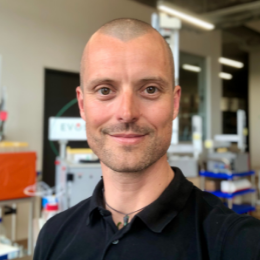
Nicolai Bache
Chief Strategic Officer

Dorte Bekker-Jensen
VP Product and R&D

Morten Bern
Chief Executive Officer

Benneth Bratberg
Chief Commercial Officer

Christian Ravnsborg
VP Marketing

Michael BarRett Andersen
Strategic Marketing Manager

Eric Grumbach
VP Business Development - Pharma

Nikunj Gevariya
Sales Specialist

Naomi Diaz
Sales Specialist
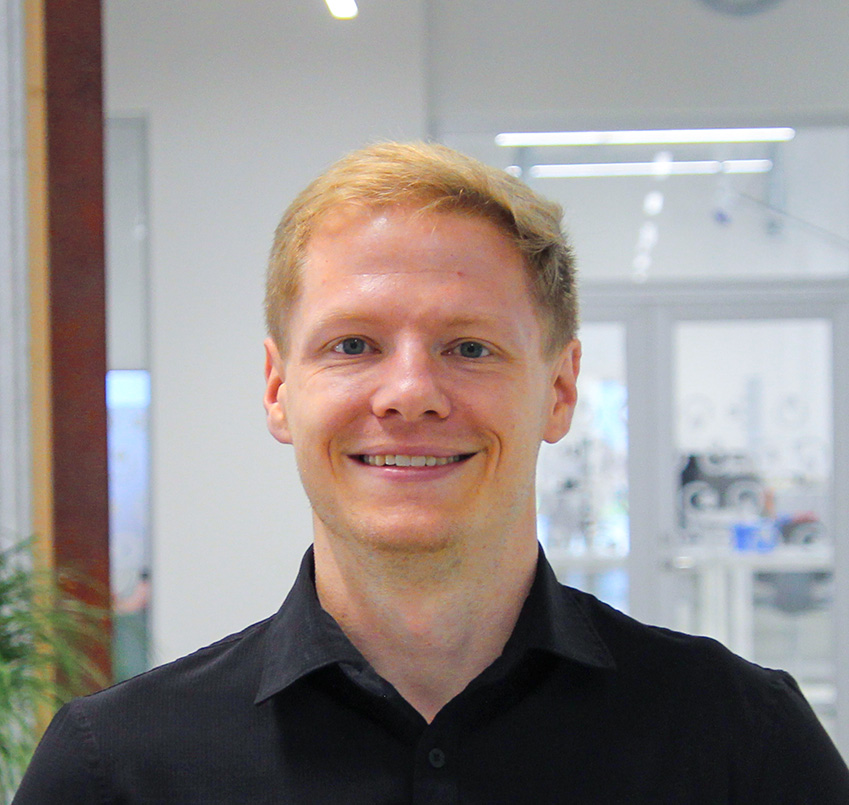
Cole Cuthbertson
Sales Specialist

Craig Bury
Sales Representative
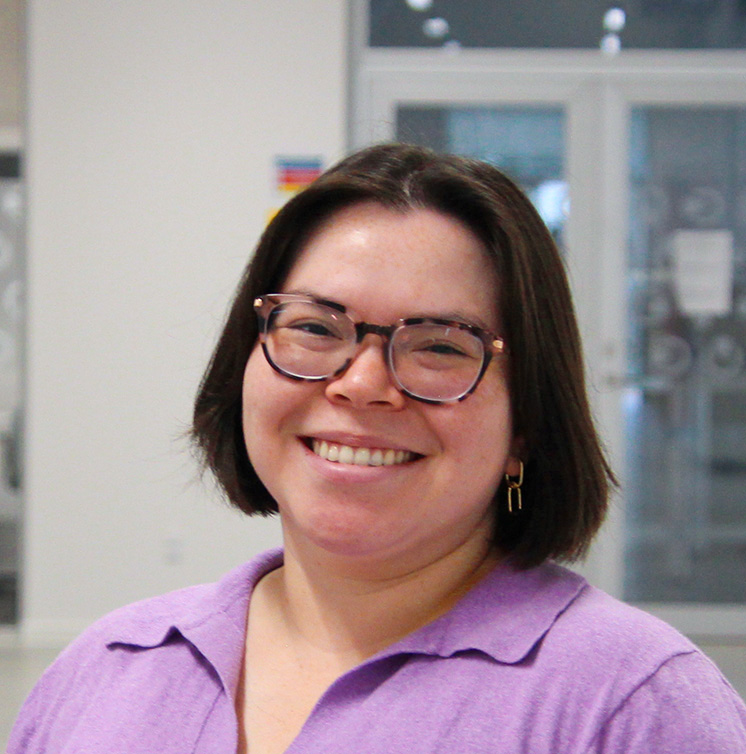
Thomas Carrell
Sales Specialist

Laurent Rieux
Product Specialist

Danté Johnson
Product Specialist

Iulia Macavei
Scientist

Sean boulanger
Technical Support Specialist

Tina Ebbesen
Marketing Communication Coordinator

Let’s get in touch
Our team is ready to help you find the method fitting your research need. Fill out our contact form and we will get back to you as soon as possible